


It’s finally time for me to write about my cousin and good friend, the late Tony Eugene Whitlow of Elgood, West Virginia. There are many things I discuss herein, and I hope that they are at least interesting to you, if not downright enlightening. I have a lot to cover here, so bear with me.
On Wednesday, November 12th, 2025, Tony met an unforeseeable and tragic demise at the careless hands of an impaired driver, who collided with his vehicle head-on near the Willowbrook Road intersection with U.S. 460. He was airlifted to the nearest hospital and succumbed to his injuries that evening. His immediate family were devastated, and I had heard the news from my feed of all places on Friday night. I can’t adequately communicate their grief, but I can mine, and so I will try.
When I heard of this, the first thing I did was rush into my husband’s room to tell him. The fraught sense of urgency, fear and horror in my voice had not been heard since I had bore witness to the tragic accident involving our cat Senusret in 2022. After telling him and showing him the report, I sulked over to his desk chair and threw my head into my arms, lamenting that I was already not in a good mood for this and how I really dreaded going into work tomorrow now. Soon, I began to cry.
It would not be long into my sobbing before the tears turned bitter and I became angry—so intensely, squeezingly, violently angry—at myself perhaps, but in general at the realisation that I had lost someone I desperately needed and had thought I would still be able to call well through the rest of this year and beyond. The fire that bellowed out of me—face red and expressively contorting around—was fed by two things: the betrayal of expectations regarding the survival of someone who deeply cared about me, and the guilt at being forced to admit by that circumstance once again that in some ways I am still angry after all this time.
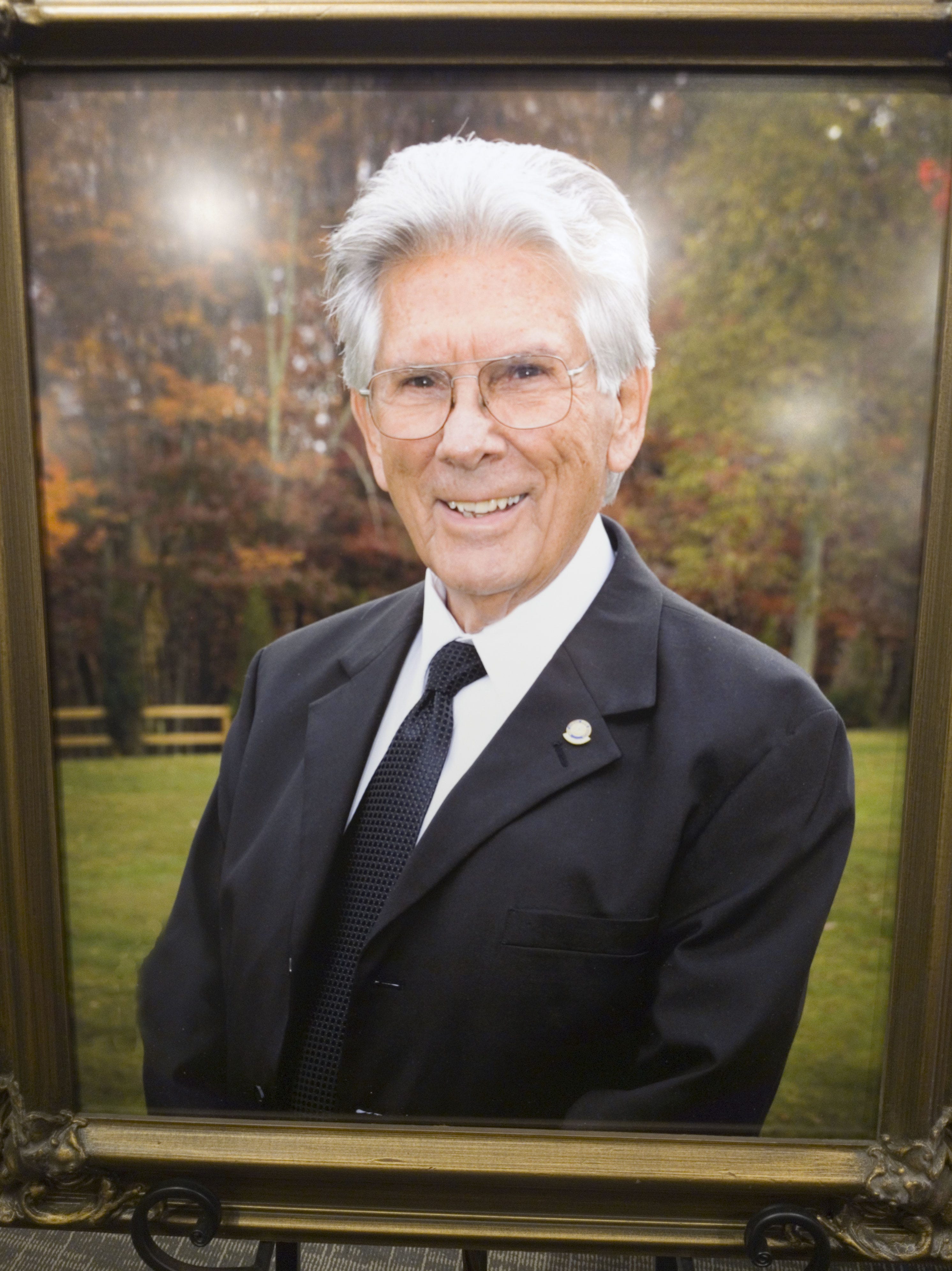
On this weblog I have written countless analyses and reflections about recent degradations in human relations. In these I comment on the busy intersections of politics, social life and psychology trying to wrangle a dragon’s tail about what seems to be changing lately for the worse. But as I carry on trying to make the best of things nonetheless, I have found great contrast that has helped me mature immensely in a moral sense. At 27, all of the people I have met that I could both trust and confide in could be counted on one hand. My husband was the first such person. Tony was another, as was another elder gentleman I befriended, partnered in business with and later lost to stomach cancer. I angrily lamented in the bedroom that night that “I can’t afford to keep losing people like this.” I need them! My experiences in life have only continued to embolden the understanding I have of how rare these people truly are. Tony’s reputation exists for terrifyingly good reason.
Many other reports have covered the basic biographical details of his life and service to the world, but for completeness and posterity’s sake, and because I am a reputable primary source on the matter too, let us remember:
Tony was born on May 9th, 1933, in a place called Happy Hollow (pronounced holler) in Kellysville, West Virginia. In light of the old family wisdom passed down from my mother, I reckon my own grandfather and closest tie binding me personally to Tony was very much as well, considering his place of birth was also Kellysville: “born at home, had to obtain his birth certificate at great trouble in a time when Social Security numbers were not ubiquitous.” That was Delma Dean Whitlow, an immediate first cousin of Tony whose father, Robert Whitlow, or “uncle Rob” as Tony would call him, was of good familiarity.
Tony told me at least two stories about my great-grandfather, one for each domicile he built in the old Happy Hollow: first, Rob built a shack on a retaining wall built by the local railroad that ran through the hollow. In those times of great poverty and subsistence, collecting blackberries and storing them through the winter was typical. So, Robert’s house contained a great number of jars filled as such, stored in underneath the floorboards of his house. At one point, this house collapsed, and a great volume of blackberry purée ran down that old retaining wall, which from how Tony told me the story, at least mildly amused him. (Although this is a story of loss, it hints to a greater context at the time of community and camaraderie that implied to me that Robert’s losses were absorbed by the family throughout the hollow.)
The second story Tony told of Rob was of his second domicile, for which Rob dragged every single item of timber halfway up the hollow himself on his own back. Rob did not live very long, and this embracing of labour and righteous suffering was part of the reason why. Tony showed me in person just how far up the hill Rob built his second house: level with what are currently the highest elevation inhabited domiciles present today. Tony also explained to me how much larger the hollow once was, as what we were visiting—Whitlow Road—was what remained of it after they built the new four-lane U.S. 460. (Tony also helped secure funding for that highway expansion project, by the way.)
Tony was someone whom I was only familiar with by name growing up. My mother told me that we had a relation who was once a state Senator, but she seemed to feel too distant from him and did not know much about him at all. In retrospect, Princeton was the staging ground for all of the men in my immediate family, chiefly my father and my mother’s father. After her separation from my father and Dean himself passing away, she claimed to have no one to visit in Princeton anymore.
One of the formative experiences I had early in my marriage was hearing of a similar relation on my in-laws’ side of the family. When I first visited Indonesia in 2018, I was made aware of a man who was unusually long-lived and once quite important in the Suharto era of governance – a man who was more than your typical government minister or politician, and uncharacteristically moral to boot – and it would turn out to have been my only chance to meet him, as I would not get another chance before he passed away in the time between then and my next trip there in 2024. I knew in my heart how remarkable it was that Tony was still around, and felt a great calling in my heart to make an effort to meet him, because I did not want to miss him before he goes as I missed that great man of Indonesia.
I did not expect to befriend Tony, but I quickly did, as each time I would come to visit, we would run out of time talking about just about anything and everything. Tony came to admire me greatly the more that he learned about my ambitions, telling me that he saw a great honesty in my eyes and at times complimenting my intellect, way with words and even my looks. He was intelligent enough to see the potential brimming within me and was more than humble and God-fearing enough to cherish it on sight, and it gave me a great boost in confidence to carry on with what I am doing these days. The last time we met at the museum, I finally managed to recruit him in on my plan to reach out to fellow West Virginia Democratic politicians in an effort to seek advice and to be sized up as a candidate in my own right – he left a voicemail at one of their companies, and I’m still chasing leads on that today.
Tony and I spent a lot of our time discussing intentions I have in running for public office. Having what he would often say was “what feels like a lifetime” of such public service behind him in Charleston, he was more than willing to fill me in on his story and how he managed it over the years. We also discussed much about the current days with Trump and his flaunting of the Constitution. Tony lamented the loss of civility between the parties, a sentiment much more publicly echoed from similar hollows by Joe Manchin, whom Tony was senior to and good friends with in their time in the state chambers. Tony’s priors as a staunch liberal were so fresh that he exclaimed his desire to be able to vote for AOC into the White House – a powerful thing to hear from someone who was 92 years old in a deeply Republican state and held in immensely high regard personally in his community. He also came to recognise that I properly understood the original reason why we are Democrats: liberal values with emphasis on blind inclusivity and care taken for the poor. This is something I suspect Manchin also knows about but is utterly lost in the caught-up cacophony of ‘flaming ant epidemics’ we call a media nowadays.
Tony helped me immensely as a friend and treated me like the furthest thing from a stranger since the day I met him. Indeed, even before then, the very first text message he sent me was a picture he had of my mother and her immediate family. A great part of my anguish was directed at the suddenness and unfairness—which so many others must have also felt—that I suddenly lost someone I had every reason to think I could still talk to when I needed.
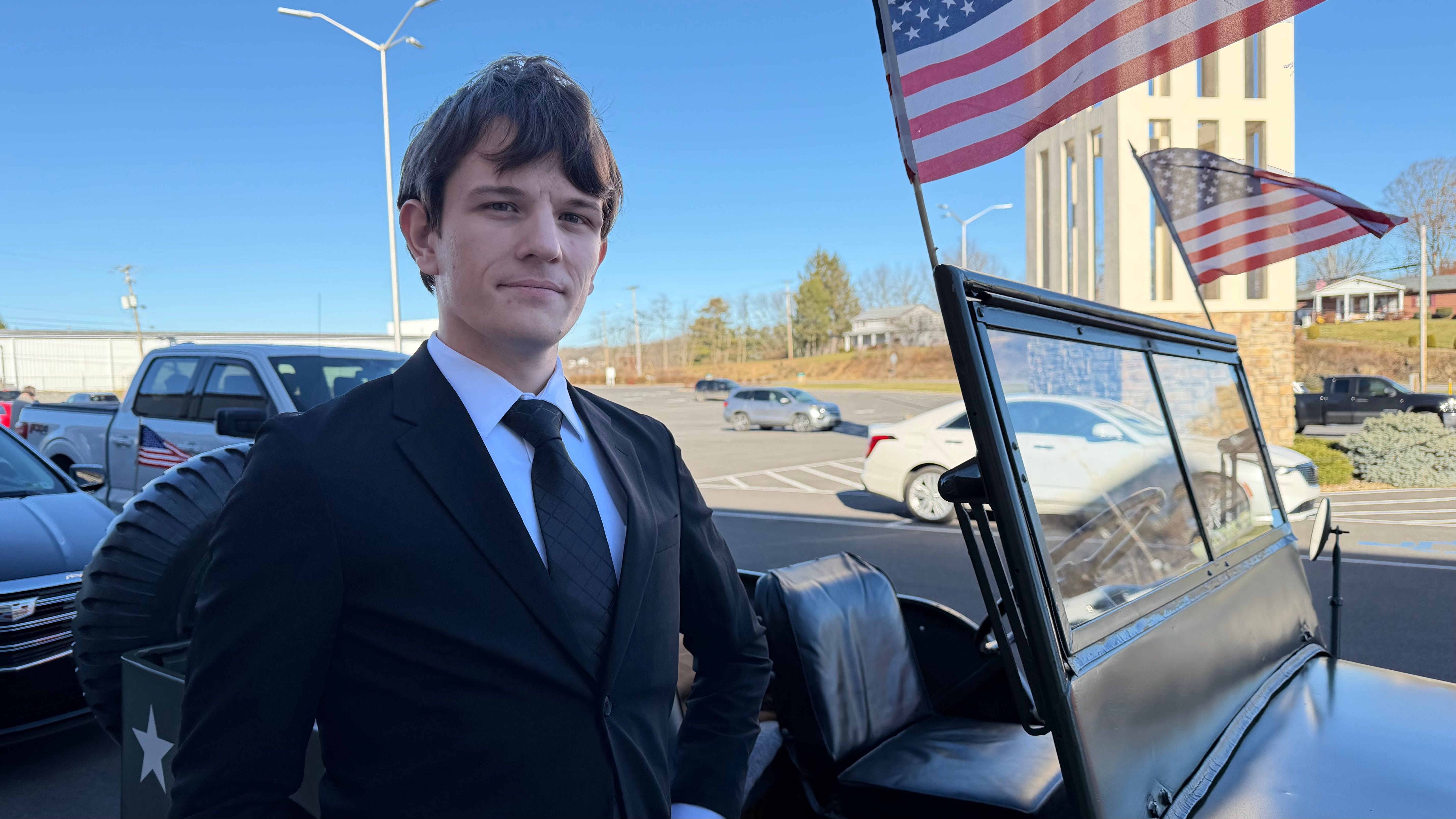
Today, I am trekking up to Princeton again, as I have so often done to see him, but for a different purpose: to petition the Mercer County commission to rename the memorial building hosting his museum in his honour.